Best of 2024

BEST OF 2024

Here are some of my favorites of 2024 from locations including Pennsylvania,  Galapagos Islands, Puerto Rico and Costa Rica.

Chasing Waterfalls

Marshalls Falls, PA.
Gozalandia, PR.
Twin Falls, Costa Rica.
Cataratas del Toro, Costa Rica.

The old saying, “Don’t go chasing waterfalls,” doesn’t apply to me. Traditionally, it serves as a metaphorical warning against pursuing something alluring but potentially harmful or deceptive. While the saying makes sense metaphorically, my reality as a traveling photographer is quite the opposite—I actively seek out waterfalls to capture their beauty.

For one, waterfalls are inherently captivating and visually striking. They showcase the raw power of nature while simultaneously evoking a sense of peace and tranquility. Additionally, the mist generated by cascading water creates a unique environment that nurtures diverse plant and animal life, enhancing the surrounding landscape and making it even more enchanting.

For every new destination I plan to visit, I dedicate countless hours to researching the local wildlife, national parks, and the presence of waterfalls along the route. This approach ensures that I can capture at least one or two stunning waterfall images, no matter where I go. Pre-trip research helps me identify the best viewpoints and optimal times of day for photography.

Waterfalls are relatively straightforward to photograph under the right lighting conditions. Ideally, a cloudy day works best, as it allows for longer exposures and prevents overly bright highlights. Shooting early in the morning, when the waterfall is still in shade, is also a great option, especially if the sky isn’t part of the composition. However, with modern technology, I can photograph waterfalls in almost any lighting condition—even using a fast shutter speed—while still achieving the “silky” water effect characteristic of flowing water.

To capture the desired “silky” water effect, it’s ideal to use a tripod and set your camera’s shutter speed to 1/8 second or slower. However, this isn’t always feasible, especially in bright conditions where too much light makes it impossible to shoot that slow, even at the lowest ISO. In such cases, the traditional solution is to use a Neutral Density (ND) filter, which reduces the light entering the camera and allows for slower shutter speeds.

Modern techniques now provide an alternative to using ND filters for achieving the same silky effect in waterfall photography. By employing faster shutter speeds, such as 1/30 second or faster, you can create a smooth water appearance without the need for additional gear. This method also supports handheld shooting, offering greater convenience and flexibility.

This effective technique for capturing silky water in bright conditions involves taking multiple images in quick succession and blending them in Photoshop. Each shot captures the moving water differently, allowing you to create a stack of images. By aligning them, converting them to a Smart Object, and using Photoshop’s Stack Mode to blend, you can produce a seamless final image. This process combines the exposures while maintaining consistent lighting and detail.

Below, you’ll find a tutorial explaining this technique step by step, enabling you to create silky water effects in any lighting condition. So, on your next trip, be sure to explore waterfall photography opportunities. Our workshop participants always enjoy the refreshing change of pace after days of photographing birds and wildlife.

Video Tutorial

AI: The Good, The Bad & The Ugly

AI Peregrine
This Peregrine falcon was created using an AI engine just following textual instructions. I guess the AI failed as it missed the second leg and flipped the wings upside down. Yikes!

Artificial Intelligence is undeniably here to stay. While the technology offers immense benefits, it also comes with significant risks and challenges. In essence, when used responsibly, AI has the potential to achieve remarkable outcomes, but in the wrong hands, it could lead to catastrophic consequences. Advances in AI technology in medicine and engineering has proven to be successful in those fields specially improving the lifestyle of people with disabilities. As a pilot I embraced the introduction of AI into live traffic in Microsoft Flight Simulator or the AI copilot to handle communication and setup navigation when flying complex airplanes.  

When it comes to my photography and videography, I have seen the benefits of this technology in many ways. Adobe’s Camera Raw with built in AI technology accelerate the retouching process by creating better subject selections and removing unwanted objects in the most natural way, features that are very convenient when shooting commercially. On my wildlife photography I can generate softer backgrounds reminiscent of large aperture lenses and can even selectively chose the focus areas after the image was taken. These are feature that really blow your mind and make your time behind the computer easier and shorter. From the healing and cloning capabilities to the AI detection and masking of individual people in a shot, Adobe has improved the way we do photo retouching.  

On the flip side, the ability to generate images from text commands has significant drawbacks. Firstly, it overlooks the importance of camera features and the expertise of the photographer. Secondly, it often produces images with glaring flaws, such as people with extra fingers, birds missing legs, or elephants with zebra stripes. The disturbing aspect is that many people come across these AI-generated images of imaginary birds on platforms like Facebook and believe them to be real. This illustrates the darker side of AI in photography, where virtually anything can be recreated by AI and passed off as genuine to the unsuspecting viewer. Even worse, when people’s images are manipulated with this technology to spread misinformation on various topics.

Some companies, including Adobe, have faced criticism for misleading their customers about how they obtain images to train their AI engines. This can be quite upsetting for those who pay a monthly subscription for Adobe Photoshop or Lightroom and unknowingly agree to the consent during installation. Ultimately, AI’s effectiveness hinges on the quality of the information it receives—be it images, text, or voice. The outcomes will always depend on the intent and usage.

The Essence of the Tropical Rainforest

While in the rainforest, your eyes will wander off over and over as your senses are being triggered by the sounds of unknown animals, the flashy colors of some bird and the smell of ripe fruits.  At times, one instinct is to ask “what is that?” while my suggestion is to “shoot it first, ask questions later”. The reason is simple, sometimes these encounters happen so fast that if you don’t shoot it, it may be gone by the time you get an answer.  At the end, that shot may be a winner or simply an evidential shot of what you saw. This type of photography may be considered a snapshot as the creative process was minimal.  You aimed your camera and composed the best you could under the pressing circumstances and pressed the shutter release. 

Now, there’s another type of photography that requires you to think the best way to present your subject. This type of photography is usually accompanied by extra time on site with your subject. Time that is used to figure out the best way to highlight its features, perhaps capture something comical or simply show your skills by using the light to your advantage. Below there are a series of images that were created by means of spending extra time to create a captivating one. Whether you are experimenting or know exactly what you’re looking for, having that extra time to compose the perfect shot can make a difference between a snapshot capture and a creative image.

A Different Perspective

Leaf Mantis (R. Munguía)

Shooting this leaf mantis from below was a bit of a challenge as the mantis would not cooperate by peaking the head over the leaf’s edge.  After some trial an error, the image was executed using a fill flash from below. The curves on the leaf were used to divide the composition into two even sections, one of which was out-of-focus due to DOF (Depth-of-field) and the other tack sharp on the subject.

Green -crowned Brilliant (John Lampkin)

Again, a magnificent close-up image of Hummingbird taken by workshop participant and friend John Lampkin while in Costa Rica in 2022. The unusual view of the bird makes it very interesting and attractive as it’s a different view of a very photographed species. Don’t hesitate to shoot weird angles, you may be pleasantly surprised.

A Different Perspective

Strawberry Poison Dart (John Lampkin)

For this shot, John and I spent over 10 minutes trying to figure out the most effective way to highlight the subject. Finally, I offered to hold a second flash from behind the frog to create an almost natural beam of light filtering through the rainforest canopy with the hope of defining the body of the frog inside the cup mushroom. It worked! One of the favorite photos of the 2023 photo expedition.

Red-eyed Treefrog silhouette (R. Munguía)

A similar effect was created for this photograph of a Red-eyed Treefrog backlit by the light of a flash.  This effect is really easy to recreate by simply shooting a flash slave above the subject. The difficulty comes from focusing in the darkness of the night while hand-holding the lens.  An extra pair of hands comes really handy on this situation.

A Different Perspective

Scarlet Macaw (Reinier Munguía)

After shooting over 200 photos of these Scarlet Macaws flying from left to right, it was time to do something different. Yes, we always aim to freeze actions and obtain tack sharp images, but if you want to be creative with moving subjects like this flying birds, try using a slow shutter speed  and pan your camera as you take the shot. The results are a bit impressionistic and while it may look like you don’t know anything about photography for obtaining a very blurred image, this in fact is you using your camera creatively. When it happens by mistake, it’s a different story.


A Different Perspective

Black-cowled Orioles (Reinier Munguía)

We all watch this adult feeding the fledgling on the branch, but the shots were boring and didn’t have a good point of focus to drive the viewer. Then the youngster decided to jump on the bromelia and the scene took a turn for the best. Now the image looked more dynamic and capturing the moment when the food was transfered made the shot a success. So the moral of the story….stay til’ the end.


Central American Bullfrog eating a Gladiator frog  (Reinier Munguía)

At this point we have been shooting frogs in the darkness of the night for an hour and under a light rain, when suddenly out of nowhere a frog falls from the trees and right in front of a hungry bullfrog. The action was quick, and without hesitation, I moved in the right position to capture the struggle. The gladiator put up a fight, but its size did not deter the bullfrog from making it a meal.


A Different Perspective

Leaf-cutter Ants (Reinier Munguía)

When shooting Leaf-cutter is not unusual to see scouts riding on the leaf being carried by the workers. These are unique images that demonstrate the hard to believe weight carrying capacity of these tiny insects. The next time you have an opportunity to capture how amazing nature can be, don’t hesitate to hit the trigger.  This show was really planned carefully by allowing the ant to climb on an endless stick, one that did not have any pheromones making the ants stay in the same stick for quite some time, enough for few chances to capture the piggyback activity.

Collared Aracari (Reinier Munguía)

This young aracari was simply drunk from eating too many ripe bananas.  Just kidding, it wasn’t drunk, it was just taking the early morning sun or basking.  

Four-eyed  Frog (Reinier Munguía)

When I saw these two, straight in front of me, I figured a lower angle will capture the funky looking four-eyed frog effect.  Unusual and funny at the same time. 

Loving Nature To Death

Loving Nature to Death

More than 30 vehicles were encroaching on a leopard that was hiding in the bushes.

I was about fifteen years old when I was given a camera with which to explore the world. What began as a way to keep me out of trouble became my way to make a living. For years, I have worked as a commercial photographer shooting product advertising, food, architecture, events and even editorial. But my true passion is for the critters living around me. Later  in life, armed with enough knowledge about the natural world, I embarked on a long journey to document wildlife and educate people about the importance of all living things.  My photography became a medium to reach people and teach them something they didn’t know. This journey has taken me to some of the most amazing places in the world.  From hotspots of biodiversity in the Amazon and Central America, to the ever-changing Galapagos and the megafauna of Africa, each has provided me with multiple opportunities to understand life and the importance of each individual and its impact on the ecosystems they live in. That includes animals like us, humans.


Over the years I have seen many more people exploring the outdoors, kayaking, boating, camping and photographing wildlife. Some with very positive results; others, not so much.  Nature photography has become one of the most common outdoor hobbies, bringing people closer to nature. But sometimes these encounters may have detrimental effects on the wildlife we love so much.


As a naturalist and photography instructor, I try to teach the ethics of nature photography to my students in an effort to create nature-conscious individuals. Learning when your actions affect your subject or others in the ecosystem is very important. I have learned from my own mistakes.  There was a time in my life where documenting birds nesting was a priority, until I noticed the effect this could have on nesting birds. Having witnessed many nesting birds fail due to increased visitation from photographers and nature lovers made me realize the impacts are no different than any other anthropogenic causes. In our quest to get the best image possible, we fail to recognize the level of impact we imposed on our subjects. Recently, during the Covid-19 pandemic, the effect of our love for nature and the outdoors was seen across our national parks, where masses of people went in search of relief after lockdown.  The parks were littered with garbage and animal-human conflicts were on the rise. How can we love something so much to the point of hurting it? The answer may lie in our own selfishness. Take for example the case of a man that took a selfie too close to a large alligator.  Without hesitation, the photo is posted on social media and many more join the craze.  A few weeks later, the famed alligator was deemed too friendly and was removed from the reserve.  Its final destination was unknown, but most people assumed it was euthanized. The moral of the story is that without knowing, the selfishness of these individuals and their unethical behavior caused the loss of one famous alligator. 


Few years ago the strange sighting of a Snowy Owl on the beaches of Jacksonville drew the attention of many birders and photographers that tried their chances at seeing or photographing this northern species.  People from all over Florida were trampling the vegetation along the sand dunes, and their mere presence made the owl a bit antsy.  The constant chase prevented the owl from resting and hunting properly to the point that the owl died.  My question then, is do those people really care about the owl, or did they care more about their own selfishness of getting the shot. 


The stories of unethical encounters with wildlife are more common that many of us want to admit. One time, while walking a preserve, I came across an individual placing his arm inside a gopher tortoise burrow in hopes of getting the tortoise out for a photo opportunity. Besides advising him on the illegality of his actions, I went into explaining the danger he was exposing himself to. It’s not unusual to find rattlesnakes living in the gopher tortoise burrows. While my actions were passive, my only hope was for him to learn about the big mistake he had just made.  You may have heard about a few cases of wild animals that have been removed from the environment because of people feeding them, or treating them as pets, etc. Sometimes we think we are doing them a favor by providing them water or food, when in reality we are just sentencing them to death. That’s the reason the signs read “A fed bear is a dead bear.” I guess that applies to gators, too. But while this expression may apply to certain situations, like campgrounds and parks, we can’t deny that feeding may be positive in a different situation. Take, for example, the scheduled feeding of California condors in locations where the birds were re-introduced. But these are specific situations that are carefully monitored for the benefit of the species, not for the benefit of the photographer.

More recently I have witnessed how our love for wildlife and getting the perfect shot may be affecting the migration of thousands of ungulates in Africa.  While visiting the Mara River in Kenya to document the Great Wildebeest Migration, I was appalled to see how many tour operators will park their vehicles right on the path of the migrating wildebeest to give their clients the ultimate view.  It was bad enough to prevent the wildebeest from crossing the river. Instead of allowing enough room for them to cut across, the vehicles on the opposite side of the river bank acted as a concrete wall preventing the animals from even attempting the crossing. This is the largest land migration on earth with more than 2 million animals crossing the Mara every year as they move from Tanzania to Kenya. I also learned about an apparent practice in Tanzania to set fires to delay the migration of the wildebeest in an effort to keep the business in the country. While Tanzania denies the practice, many tour operators in Kenya continue to blame Tanzania for the stalled migrations.


A few days later, we encountered a leopard that was surrounded by nearly 40 safari vehicles loaded with tourists with cellphones in hand.  The vehicles were inching against each other in hopes to get a clear view of the shaken cat. The story later repeated itself, this time with a lonely cheetah. Vehicles circled the exhausted animal, with the insensible occupants taking pictures with their phones at close distance. Both experiences were too much for me to bear and I asked our drivers to leave the area immediately. My conscience was telling me: “the shot is not more important than the welfare of the subject.” But for the tour operators, putting their clients in the best spot usually means more money in the form of tips. A hard habit to break when they need the money.


So, what can be done to avoid this type of wildlife encroachment? Perhaps the answer lies in each one of us and how we communicate with the people near us about the dangers that our actions pose to wildlife. National parks and preserves need to teach their operators about safe viewing distances, and proper wildlife-watching etiquette.  We need to make it illegal to approach the wildlife, and denounce those who commit the crime. We can never allow money to dictate our actions and we must always work for the safety of our wild animals and natural resources. At the end, we won’t have anything to photograph when it’s all gone. Do your part and learn what is too close or too much.


Visitors taking selfies with a white-faced capuchin on their shoulders at Manuel Antonio National Park, Costa Rica.
A cheetah poses for the thrilled visitors as they snap a group shot. Masai Mara , Kenya.
Sometimes we get closer than we need, just for the thrill, or to claim we were that close.
Several safari vehicles blocking the path used by the wildebeest to cross the Mara River.

Leaf Cutter Ants: The First Farmers

Leaf Cutter Ants: The First Farmers

Rainforests are among the most biodiverse places on Earth. Millions of years of evolution in these regions have resulted in some of the most amazing organisms ever known to man. Being able to survive in a harsh environment dominated by high temperatures and high humidity is a requirement more than a choice. These conditions promote plant growth and attract many arthropods. Insects are among the most diverse animals in the rainforest.  Butterflies are perhaps the most eye-catching of all with vivid colors and metallic shine, some using these colors to warn off their toxic nature.  Beetles, grasshoppers and leaf insects all munch on the exuberant vegetation with little remorse for the plants they are eating.


But those who visit the rainforest will rarely do so without crossing the path of one of the most laborious species in the world –the leaf-cutter ants. There are 47 species leaf cutting ants. My first encounter with these ants came as no surprise in Costa Rica, where they seem to inhabit almost any land ecosystem except for high elevations above 6,500 feet. You may even find them carrying leaf pieces as you exit the airport terminal towards the parking lot where several trees make up the landscape.


The most interesting fact about leaf-cutters is their ability to farm their own produce- a fungus, to be exact. The pieces of leaves they collect are cut in smaller pieces before inoculating them with the fungus, the only source of food for the ants and their larvae. A well-established colony can contain over 5 million ants, of which most are females. The queen is about 2 inches in length and may live for over 20 years. During her lifespan, she can lay more than 200 million eggs.


These social arthropods are well known for their well-structured society divided into castes. The different castes are defined by size. The Mimims are the smaller workers helping to harvest the fungus and feed the larvae, while the Minors are found along the trails and are in charge of defending the workers from any intruders. The Mediae are larger and are responsible for collecting the leaves and bringing them inside the colony. Finally, the Majors are the largest of all, working as soldiers to protect the colony. They are also known for helping clear the paths used by the Mediae and getting rid of waste produced by the colony. Waste workers are usually left isolated from the fungus gardens to avoid contamination.


So, the next time you come across a trail of leaf-cutters, take your time to follow them, as you will be surprised at how far and large the colony may be. While these may be one of the toughest insects to shoot, you get plenty of opportunities as these guys will be on the move non-stop. Try them the next time to visit any country in Central or South America. There are two species that are found in the U.S. ; they can be found in Arizona, Texas and Southern California.

.

Leaf Cutter Ant
A mediae carrying a large leaf fragment and a protecting minor.
Leaf-cutters follow pheromone trails on their way to and from the foraging tree
Leaf-cutters live in underground colonies holding millions of ants.
The author and his wife at one large leaf-cutter colony in Costa Rica.
In 2022 we came across a nest colony that was over 35 feet wide. Here's Carolina Villegas posing on top of these massive nest for size reference.

Documenting Ophaga pumilio in Bocas del Toro, Panama.

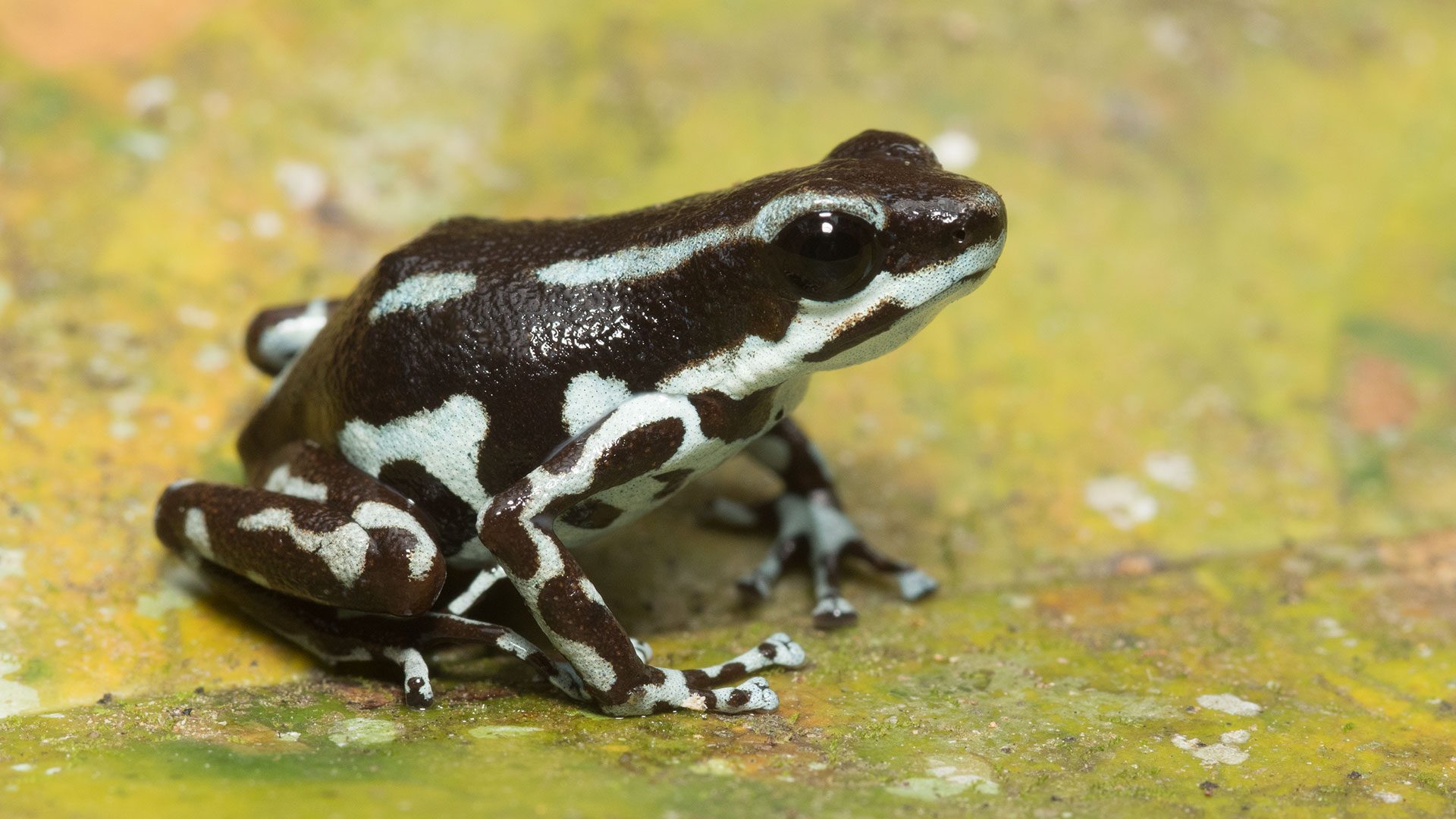
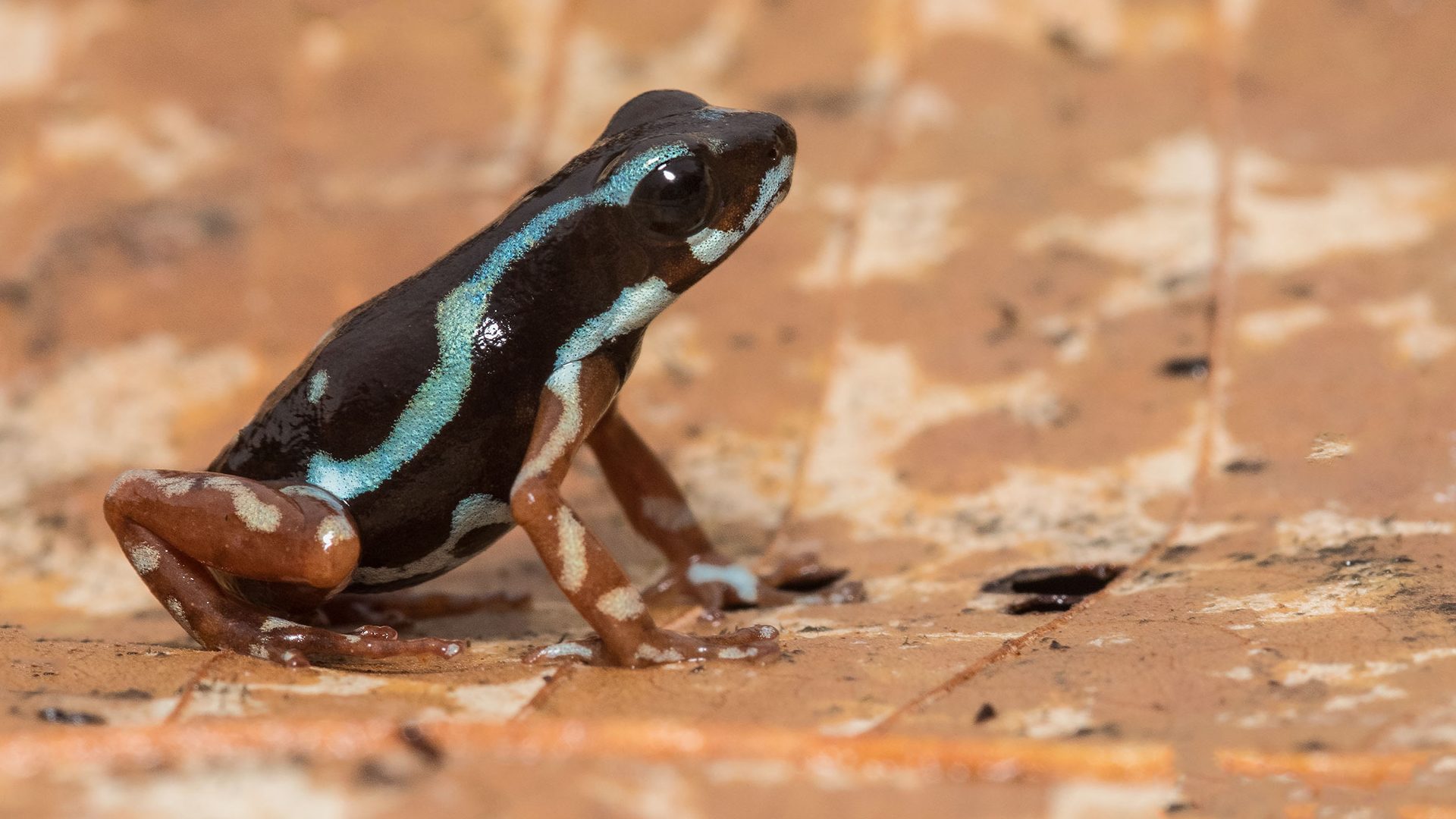
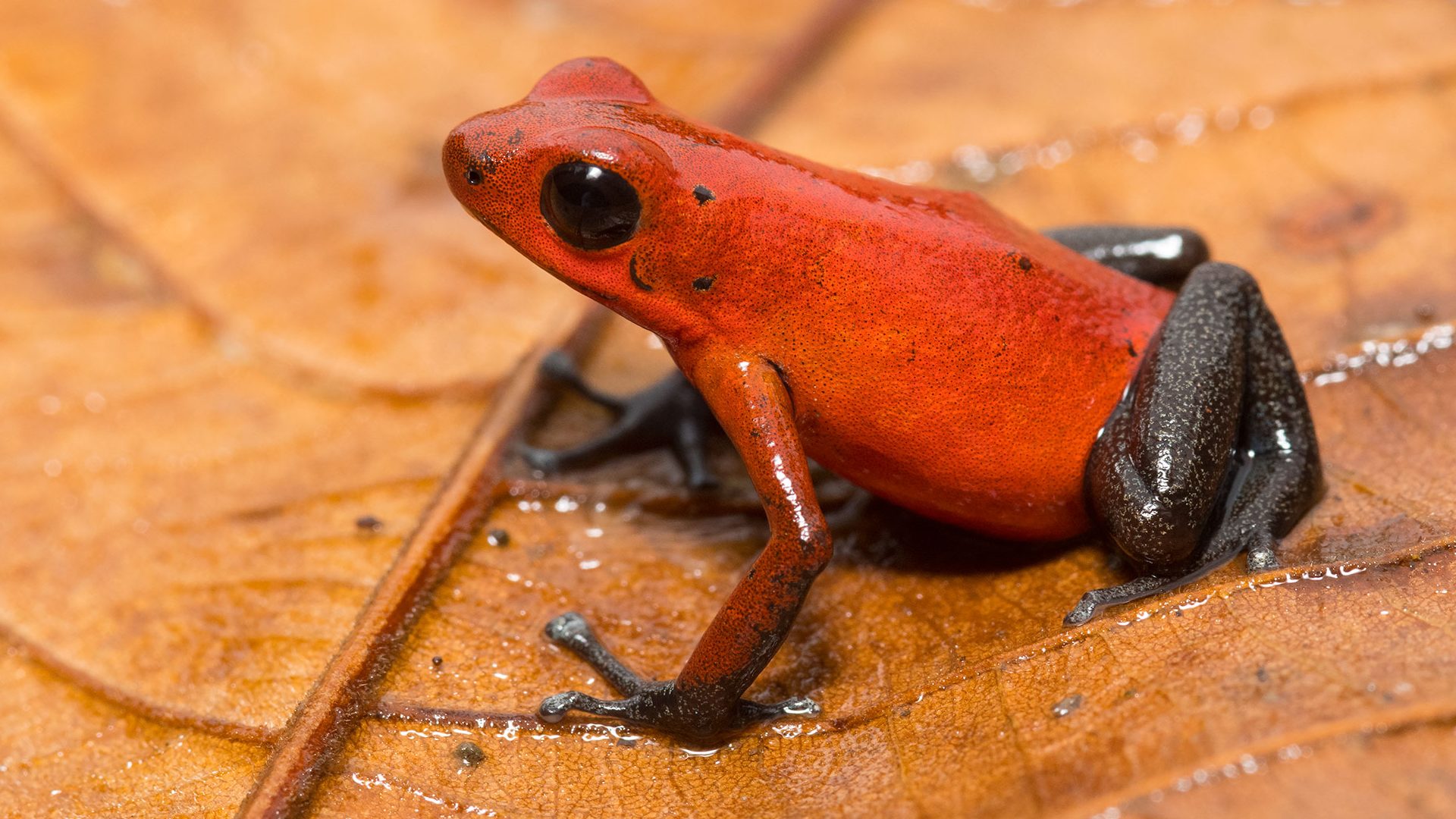
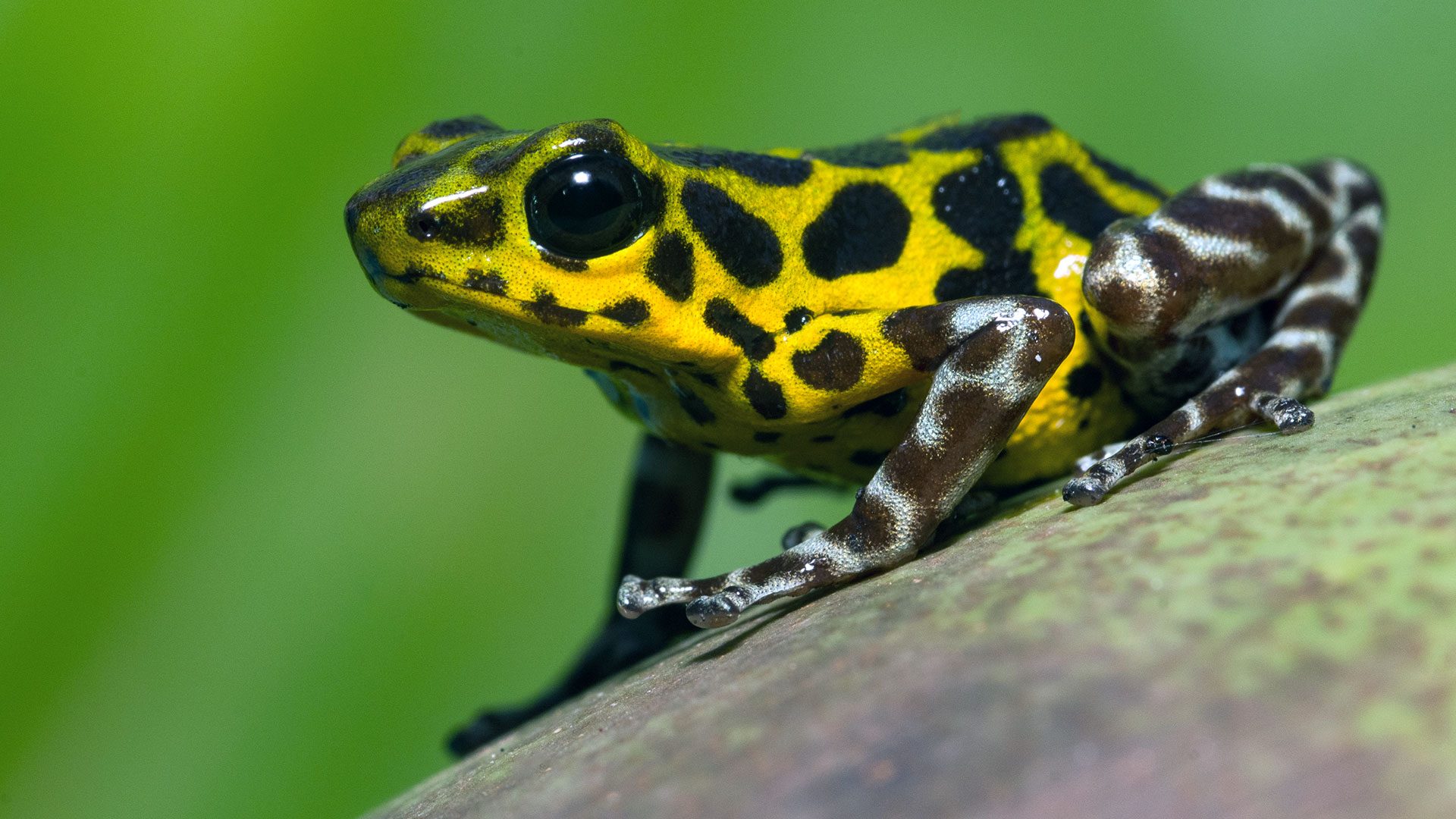
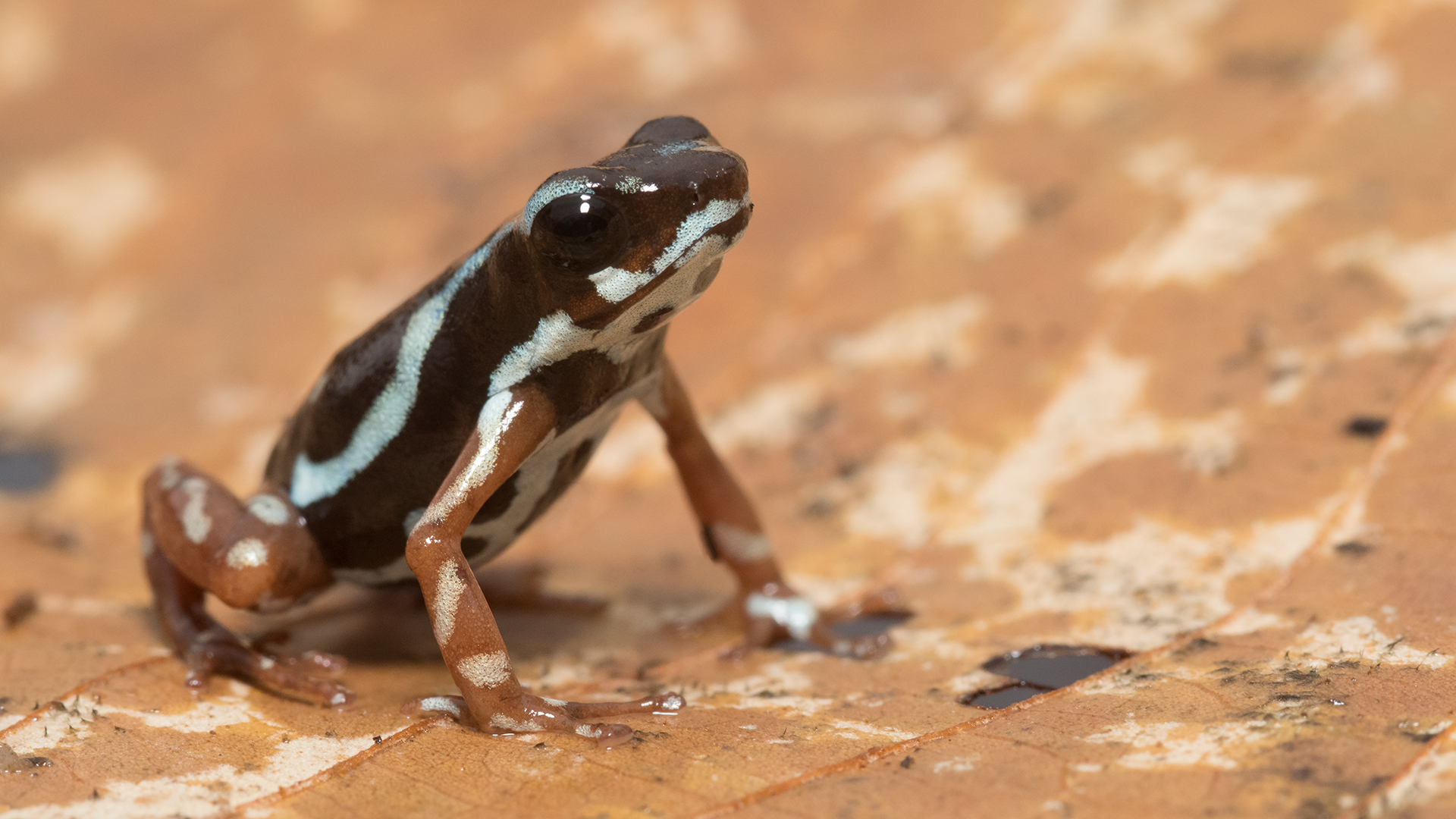
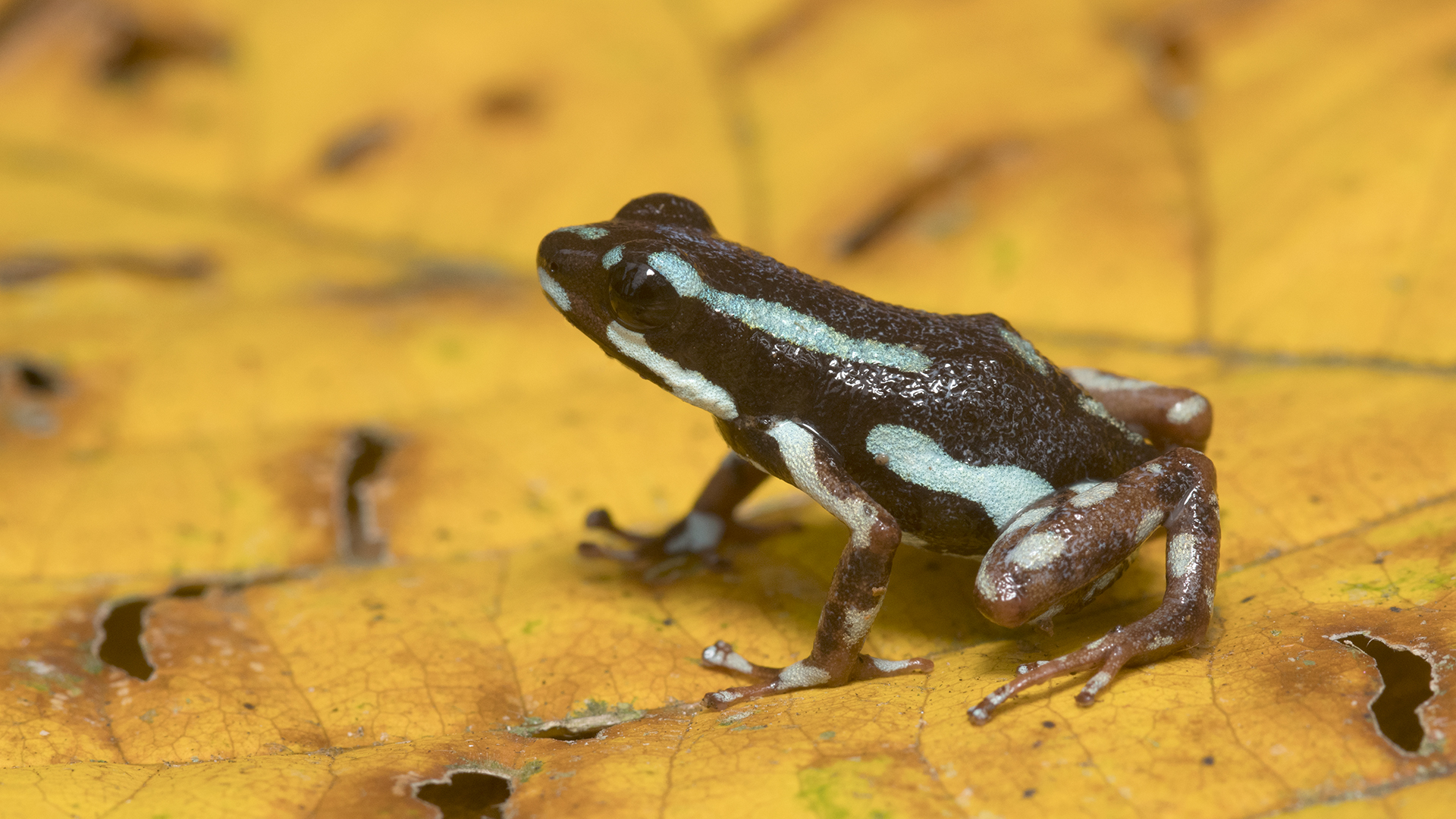
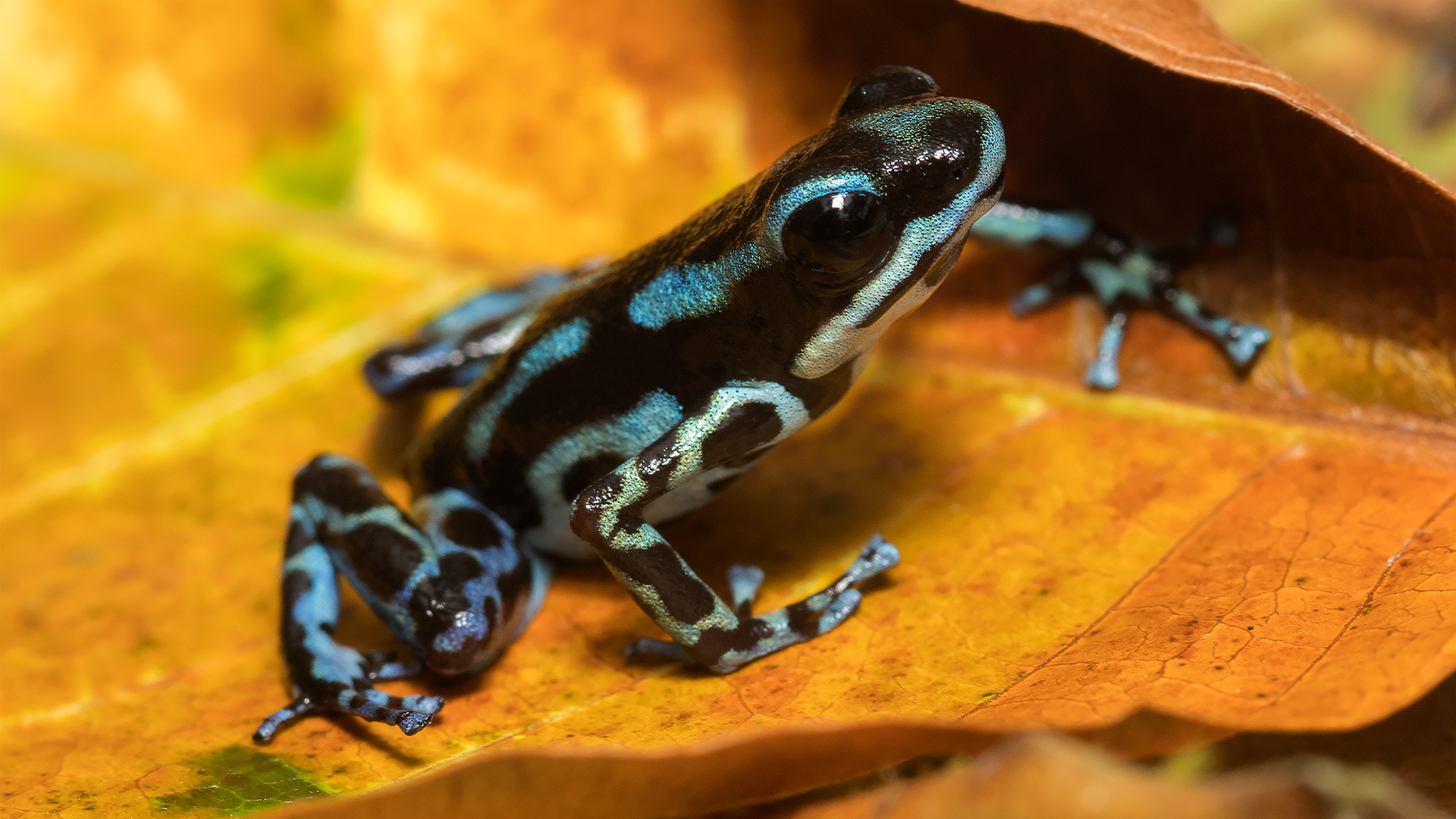
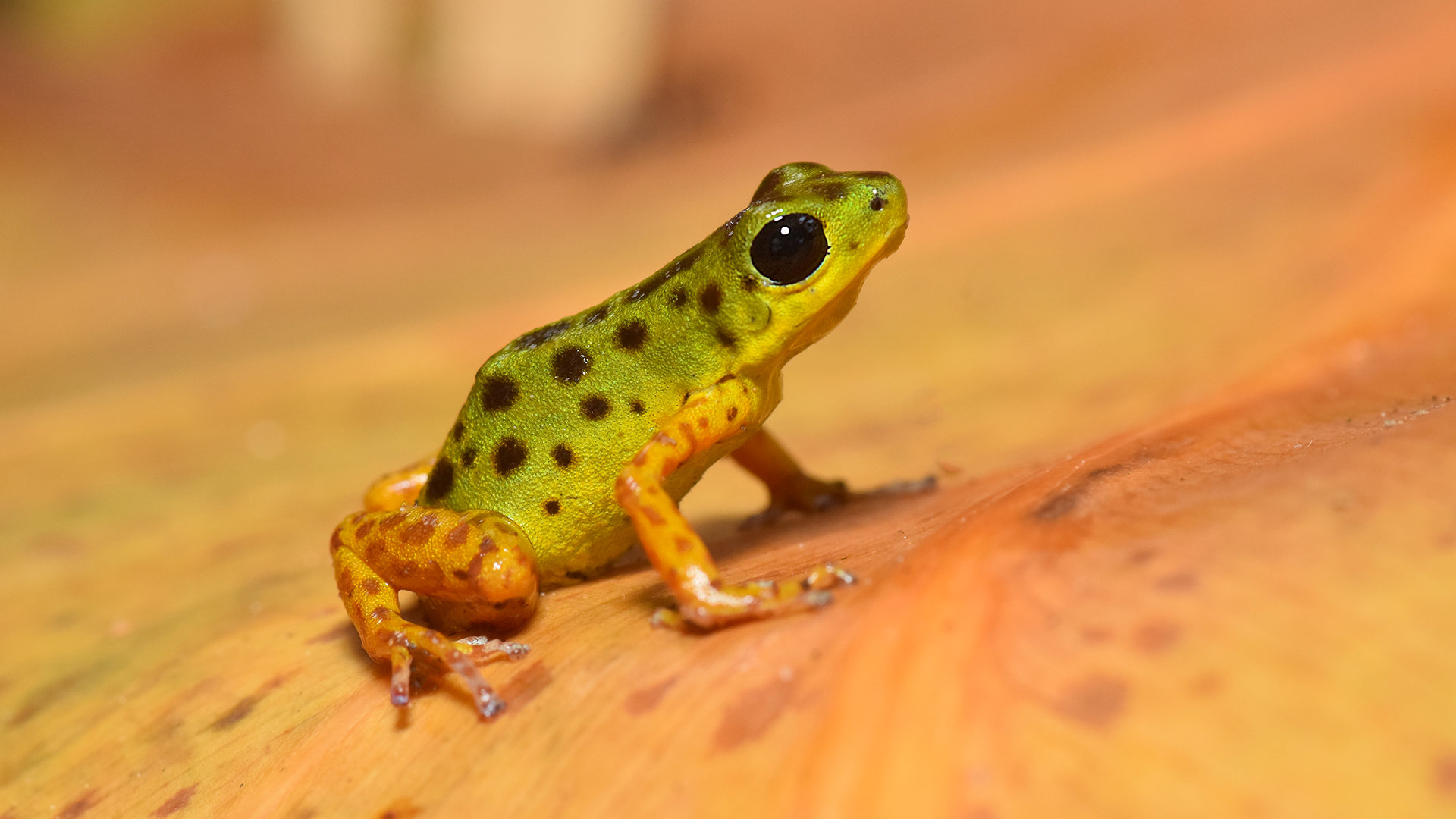
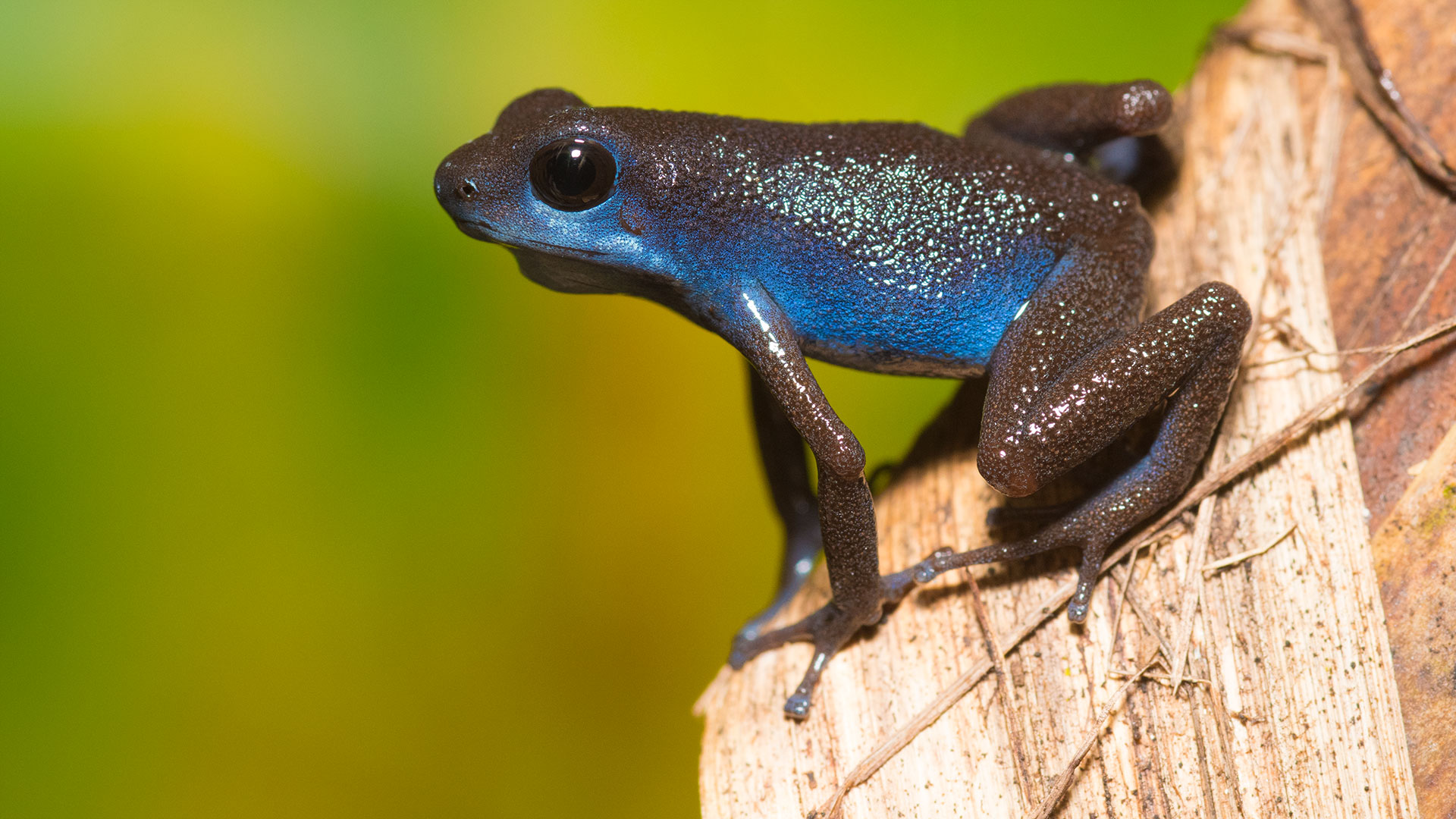
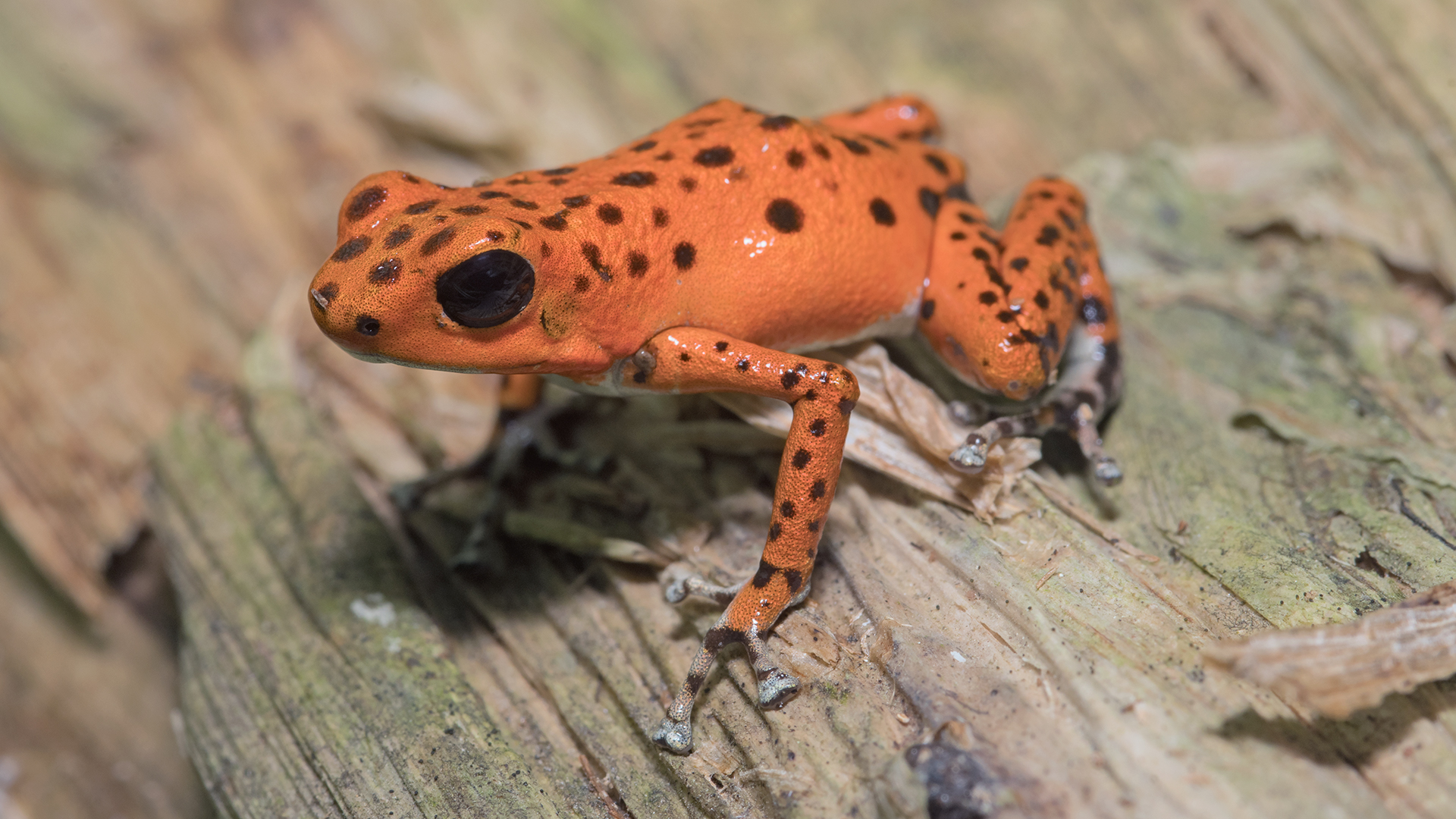
I have a true passion for amphibians, those creatures with moist skin and sticky toes that many people fear or dislike. They are jumpy and at times hard to find, yet that’s nothing more than a challenging proposition to a frog fan like me. This time the trip took me for the second time in less than 6 months to the Bocas del Toro district in Panama. There’s something magical happening in this area composed of the mainland and few surrounding islands to the point that scientist called them the Galapagos of the Caribbean. By now you should know the importance of the Galapagos Islands and if you don’t here’s a tip. The Galapagos are a living evolution laboratory, where we can observe the effects of adaptive radiation, a process in which organisms diversify rapidly from an ancestral species into a multitude of new forms. In the case of Bocas del Toro, a tiny frog has evolved many different phenotypes – a description of observable physical, physiological or behavioral characteristics that separate a group of individuals from the rest of the species. Different from genotypes which are the actual genetic identity, phenotypes are affected by both the genotype and the unique environmental conditions surrounding the individual. My subject is a tiny frog — Oophaga pumulio — a.k.a. the Strawberry Poison Dart Frog. In it’s most common form it looks like the one below.

A Strawberry Poison Dart Frog (Oophaga pumilio) carries her to tadpole to a water source, usually a bromelia.

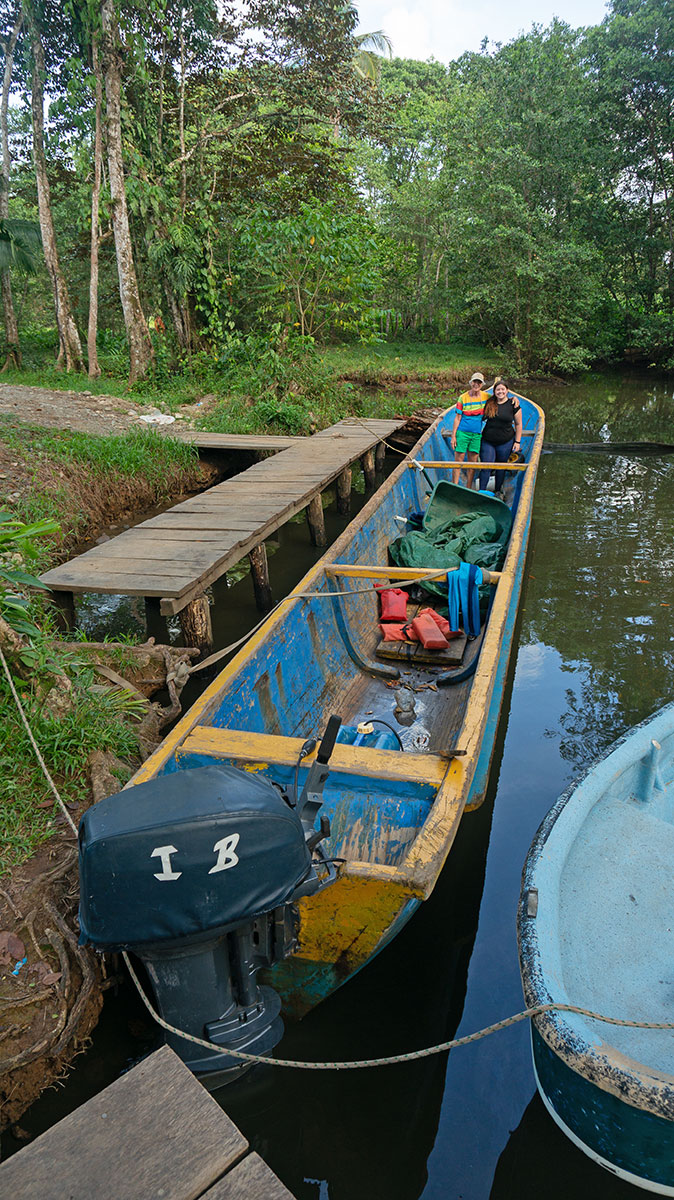
The challenging part was finding these tiny frogs no more than one inch in length while dodging the weather. For starters, these guys don’t like bad weather. In order to find them I needed to hear them first. Too much rain and they go mute, making them nearly impossible to find on the leaf litter of the forest floor. Even when the conditions were optimal, they will choose impossible places from where to call, making them inaccessible or difficult to photograph. Walking through muddied trails, slipping down the hill sides or landing on large puddles of water made the adventure more exciting at times. Once found then I had to battle the elements and the gear. Constant drizzle and high humidity sabotaged the gear more than once. The copious sweat getting in the eyes and all over the cameras added to the miserable ground conditions. To visit some of the sites where these frogs can be found we had to take boats. One of the interesting things about these frogs is the fact that several phenotypes can be found in one same island. In the case of Isla Bastimentos there are at least three different forms of the frog. Isla Colon also have their share. Every large island in the Bocas del Toro archipelago offers at least two phenotypes. But the mainland offer a unique set of conditions that produced even more phenotypes. Geographical isolation by either rivers or mountains provided enough separation for the establishment of various morphs, occasionally only separated by a river and in places where two distinct population exist, you can even find some individuals sharing characteristics of both populations. Insane to think that such a small area produced so much color evolution, but considering these frogs have a tiny range and small number of offspring.  Below are some of the phenotypes I found during a three day expedition. 

But there’s more to these tiny frogs. Their aposematic coloration announcing their toxicity is just one of the traits that allow them to survive in the wild. Their reproduction is extremely complicated for a frog and I even show a high degree of parental care. The males attract the females by means of their calls. Once they find each other, they mate by means of a “cloacal kiss”. Soon after the female lays up to five eggs on a small puddle of water, usually collected on leaves on the forest floor. During this period the male urinates on the eggs to keep them moist if the water evaporates, and rotates the eggs before they turn into tadpoles. Ten to fourteen days later the tadpoles emerge from the eggs. At this point the female takes full care of the tadpoles. As the water dries out, she will carefully move the tadpoles to water filled vegetation usually bromeliads.  To prevent cannibalism among the tadpoles, the female deposits a single tadpole per section of the plant. The collected water is low in nutrient, so the female deposit unfertilized eggs to feed the tadpoles until they are ready to leave the water phase fifty days later.

Nothing more exciting than being able to document this species and its many phenotypes. But the work is not complete. There are many more phenotypes still to be documented. The adventure continues on a follow up expedition in 2022.

A Unique Way To School

Traveling through Central and South America, it’s hard to miss kids walking to school. Some walk for miles even before the sun rises to make sure they arrive on time. In most of these countries, schools have separate morning and afternoon sessions in order to accommodate all the grade levels on limited resources that include small buildings, no budget to provide lunch and the lack of teachers. In the afternoon, the younger kids are going back home while the older students come to session.  In remote areas the daily migration is even more common. School buses are limited or non-existent, so it’s not unusual to see seven year-old kids walking long ways along the roads or picking up a ride on public transportation.

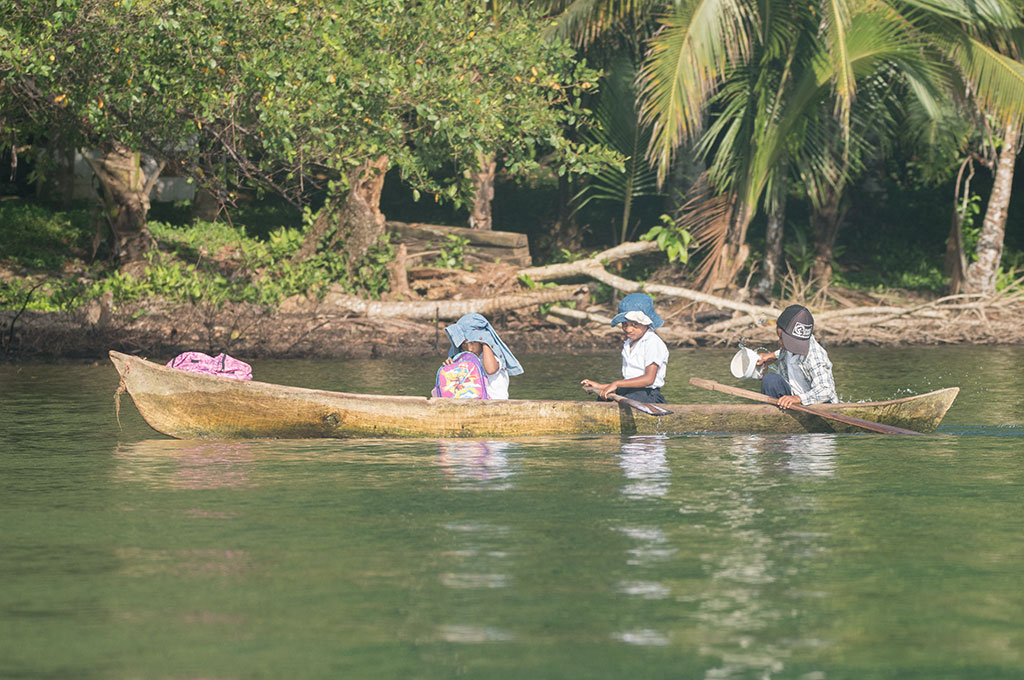
But nothing more challenging than going to school by water. Yes, in many remote areas of Panama, I have encountered kids traveling by water in dugout canoes. This time I was in the southern range of the Bocas del Toro archipelago. For a moment you feel in another world as you are surrounded by emerald waters hugged by mangroves tall enough to touch the sky. As idyllic as it sounds it is a dangerous risk that many kids take on a daily basis.  I can only assume that classes are dismissed if bad weather approaches, but then…how would they know when far from the reach of technology? For days I lived without the cellphone lifeline I’m so used to. I was so far away from civilization that any accident could have been devastating and venomous snakes are commonly seen along the forest floor here. The waters are also patrolled by sharks. In fact, I glanced at a hammerhead just a few minutes before snapping some pictures of three kids paddling their ancient dugout canoe to school. But despite all the dangers, students and teachers make the treacherous trip from and back to school.

But the students are not the only ones on a challenging trek. One day, while driving on the main land, I came across a teacher that was in need of a ride home. She teaches at a remote school that requires a one hour hike each way through a dirt road crossing three bridgeless rivers and up to two hours by bus to the city where she lives. Every day she makes this journey for the kids in this rural community of Panama composed mainly of indigenous people of the Ngöbe-Buglé tribe.

While the purpose of my trip was to document frogs, watching the kids paddling to school was an eye-opening experience that will last a lifetime. The pictures are just there to remind me of the things I take for granted and how easy life is on my corner of the world.